
Underarm Odor (Axillary Osmidrosis) Treatment for Children | A Reassuring Treatment Program Starting from Age 7 | IC Clinic Shinjuku
We are receiving an increasing number of enquiries from parents who are concerned about their child’s body odor, or worry their child may be teased at school.
Axillary osmidrosis in children can begin as early as age 7 to 8, at the threshold of puberty. This is a time when both body and mind are particularly sensitive—which is why gaining the right knowledge early and choosing an approach suited to your child is so important.
At our clinic, board-certified plastic surgeons assess each child aged 7 to 12 individually, taking into account their stage of development and the extent of their symptoms, recommending only the treatment that is truly necessary. “Is treatment needed right now, or is observation sufficient?”—why not start with a free consultation and explore the options together with one of our specialists?
Signs of Axillary Osmidrosis in Children — Have You Noticed Any of These?
Have you observed any of the following changes in your child? Here are some of the most common signs that parents first notice.
Physical Changes
- Yellow staining has appeared in the underarm area of white T-shirts or gym uniforms
- Earwax is wet and sticky
- Your child sweats easily not only after exercise but also during everyday activities
- Foot odor has become stronger than before
Behavioral and Emotional Changes
- Your child has started avoiding raising their arms
- Your child has become reluctant to attend PE or swimming lessons
- Your child has become self-conscious about their proximity to friends
- Your child frequently wants to use deodorant
Genetic Background
- One or both parents have axillary osmidrosis
- A grandparent or relative has axillary osmidrosis
If three or more of the above apply, there is a possibility your child has axillary osmidrosis. However, body odor changes during growth can sometimes be temporary, so we recommend a consultation with a specialist in the first instance.
Why Do Children Develop Axillary Osmidrosis? Understanding the Mechanism and Timing
The Cause: Apocrine Sweat Glands
The human body has two types of sweat glands. Sweat from eccrine glands, which are distributed throughout the body, is largely odorless. However, sweat from apocrine glands—which are concentrated in the underarms and ear canal—contains proteins and lipids.
When this sweat is broken down by bacteria naturally present on the skin, a distinctive odor is produced. This is the essence of axillary osmidrosis. In other words, axillary osmidrosis is not a disease—it is a physical trait determined by the number and activity level of apocrine glands.
When Does Axillary Osmidrosis Typically Develop in Children?
Apocrine glands develop rapidly during puberty under the influence of sex hormones. As a result, axillary osmidrosis in children most commonly appears during the following periods:
- Girls: Around ages 8–10 (approximately 1–2 years before the onset of menstruation)
- Boys: Around ages 10–12 (around the time of voice change)
In recent years, improved nutrition has led to a trend toward earlier puberty onset. As a result, it is not uncommon for symptoms of axillary osmidrosis to appear as early as age 7.
The Role of Genetics
Axillary osmidrosis tends to follow an autosomal dominant inheritance pattern. Statistically, when one parent has the condition the likelihood of it being passed on to a child is around 50%, and when both parents have it, that figure rises to approximately 80%. That said, even when a child has inherited the trait, the severity of symptoms can vary considerably from person to person.
Before Considering Treatment | What We Would Like Parents to Know
When Treatment Should Be Considered vs. When Observation May Be Appropriate
In treating axillary osmidrosis in children, determining whether treatment is needed right now is an especially important consideration. At our clinic, we use the following criteria as a general guide.
Cases where treatment is worth considering proactively:
- Your child is significantly distressed by the odor, and it is affecting their school life
- Your child has become reluctant to participate in friendships or club activities
- Your child has been made aware of the issue by others and has experienced emotional distress as a result
- Self-care measures such as deodorant are no longer sufficient
Cases where watchful waiting may be appropriate:
- Symptoms are mild and your child is not particularly bothered by them
- The condition is not significantly affecting everyday life
- Symptoms can be managed to some extent with self-care
Regarding Treatment Timing
Because apocrine glands continue to develop throughout puberty, there is a risk of recurrence if treatment is undertaken too early. On the other hand, when emotional impact is a concern, early intervention may be preferable.
At our clinic, we take a comprehensive approach—considering your child’s stage of development, the severity of their symptoms, and the wishes of both the child and parents—to recommend the most appropriate timing for treatment. A recommendation to “continue observing for now” is itself a meaningful piece of medical guidance.
Three Reasons Patients Choose Our Clinic
1. Consultations That Take Your Child’s Feelings to Heart
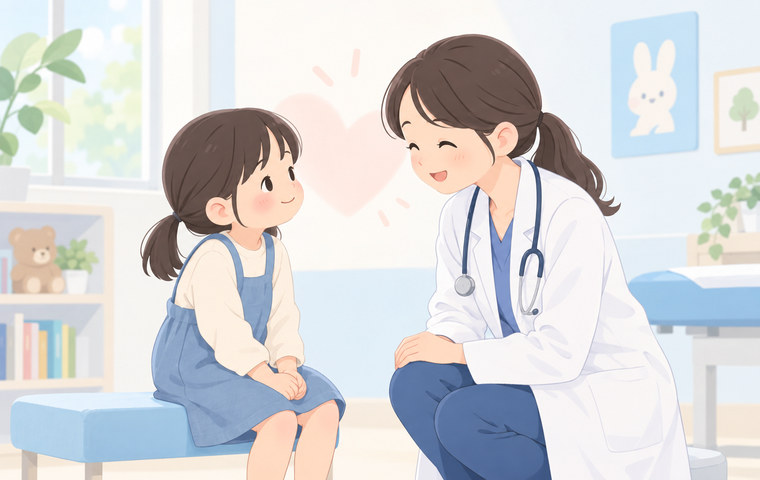
Concerns about axillary osmidrosis can be a very sensitive issue for children. At our clinic, we take care to communicate not only with parents but also with the child directly, and we place great importance on ensuring they feel informed and at ease with any decisions about their care.
We will never push treatment on your child. We will continue to offer support until your child feels ready and willing to go ahead.
2. Skilled Treatment by Board-Certified Plastic Surgeons
Children’s skin is thinner and more delicate than that of adults, which demands a higher level of technical skill and experience. At our clinic, all consultations and treatments are carried out by board-certified and senior plastic surgeons. We work to keep the physical impact on your child as minimal as possible while pursuing reliable outcomes.
3. Minimizing Disruption to School Life
Having to take an extended break from school after treatment would only add to your child’s burden. Our clinic uses treatment approaches that help keep downtime (recovery time) as short as possible. We can also suggest treatment schedules that make use of longer school holidays such as summer or winter break.
Treatment Options for Children
At our clinic, we offer two treatment options to suit your child’s age, the severity of their symptoms, and their lifestyle.
miraDry — Non-Surgical Microwave Treatment
This treatment uses microwave thermal energy to destroy apocrine sweat glands without any incision. Because it leaves no scarring, it is a popular treatment option for children as well.
Key Features
- No incisions, so no scarring
- Both underarms treated in a single session (approximately 60–90 minutes)
- Normal daily activities can be resumed the day after treatment
- Long-lasting results
Our Approach to miraDry
Because miraDry was originally developed in Western countries, adjustments are necessary when using it on Japanese patients—especially children. At our clinic, we have developed our own refined protocol tailored to the Japanese physique, optimizing the anesthesia technique, energy output, and treatment area to help minimize the risk of side effects while achieving the most effective outcome possible.
[Point 1] Anesthesia Technique Tailored for Children
We use a powered injection device and vibration tool to help minimize discomfort during injection. The concentration and volume of the anesthetic are also carefully adjusted to suit each child’s physique.
[Point 2] Maximum Output Across a Wide Treatment Area
To achieve the greatest possible effect in a single session, we apply treatment at maximum output across as wide an area as possible. This approach is designed to reduce the likelihood of needing repeat treatment.
[Point 3] Comprehensive Post-Treatment Support
Post-treatment follow-up consultations are provided at no charge. For patients who find it difficult to visit the clinic in person, we also offer remote follow-up support via email.
miraDry Treatment Record | Recognized as “Top Japan miraDry Provider” for Two Consecutive Years
IC Clinic has been recognized as a “Top Japan miraDry Provider” by Miramar Labs, the U.S. company that manufactures the miraDry system, for two consecutive years in 2022 and 2023. This award reflects the trust and support of the many patients who have chosen our clinic for their miraDry treatment.
Related page: miraDry Details & Pricing
Quadracut (Minimal-Incision Surgery)
This procedure involves inserting a specialized instrument through a small incision of just 4–5 mm to directly remove the apocrine sweat glands. Among surgical options, this approach results in the smallest scarring and places less of a burden on children.
Key Features
- Incision of just 4–5 mm (approximately one-tenth that of the traditional flap method)
- Less trauma to the skin, allowing for faster recovery
- Reliable results, as the sweat glands are directly removed
- Scarring becomes largely inconspicuous over time
Well-Suited For
- Those with relatively pronounced symptoms who are seeking reliable results
- Those for whom miraDry did not provide sufficient improvement
- Those wishing to undergo intensive treatment during a longer school holiday
Regarding the Flap Method for Children
The flap method is among the most effective surgical approaches, but it requires a larger incision (4–5 cm) and a longer post-operative rest period. Given the greater physical demands of this procedure, our clinic does not as a general rule perform the flap method on children aged 12 or under. In cases where symptoms are particularly severe, we recommend either waiting until growth is complete before considering the flap method, or first addressing the condition with miraDry or Quadracut.
Comparison of Treatment Options
| Item | miraDry | Quadracut |
|—|—|—|
| Eligible Age | From age 7 | From age 10 |
| Incision | None | 4–5 mm |
| Scarring | None | Largely inconspicuous |
| Treatment Time | Approx. 60–90 min | Approx. 90 min |
| Downtime | 1–2 days | 3–5 days |
| Return to School | Next day to 2 days later | 5–7 days later |
| Duration of Effect | Long-lasting | Long-lasting |
Treatment Process
Step 1 — Make an Appointment (Contact Us as a Parent or Guardian)
Book via our website or by phone. We will ask you a few brief questions about your child’s age and current symptoms. Parental consent and accompaniment are required for the treatment of minors.
Step 2 — Consultation
A specialist will examine your child’s symptoms and assess the need for treatment, taking their stage of development into account. We will listen carefully to both the parent and child, and address any concerns or questions you may have. If we determine that watchful waiting is the more appropriate course at this stage, we will communicate that clearly.

Step 3 — Deciding on a Treatment Plan
If treatment is to go ahead, we will recommend the most appropriate approach and schedule for your child. We will also take school events and club activities into consideration when planning, to minimize any disruption.
Step 4 — Treatment Day
Treatment begins only after confirming that the anesthesia has taken full effect. We will talk to your child throughout the procedure to help keep them at ease. Parents and guardians are welcome to wait in the waiting area, or may join your child in the treatment room if preferred.
Step 5 — Aftercare and Follow-Up
We will provide clear and thorough guidance on post-treatment care. Follow-up consultations to monitor progress are provided at no charge, so please feel free to contact us at any time if you have any concerns.
Frequently Asked Questions from Parents
Our clinic offers a dedicated treatment program for children from age 7. However, the most appropriate treatment method and timing will vary depending on your child’s stage of development, so we recommend starting with a consultation with one of our specialists.
If treatment is carried out partway through puberty, there is a possibility that apocrine glands may continue to develop with growth, and symptoms could recur. At our clinic, we assess each child’s stage of development carefully and recommend the most appropriate timing for treatment. Should recurrence occur, we have a follow-up support system in place to assist you.
During treatment, the anesthesia means discomfort is minimal. After treatment, some mild swelling or discomfort may occur, but this typically settles within about a week. If pain is more pronounced, we can prescribe appropriate pain relief medication.
With miraDry, most children are able to return to school the following day. With Quadracut, we generally recommend around 5–7 days of rest. PE lessons may need to be avoided for approximately 1–2 weeks. We can also suggest treatment schedules that make use of longer school holidays.
Yes, we do accept enquiries about revision treatment. We will listen carefully to details about the previous treatment, how much time has passed, and your child’s current symptoms before recommending the most appropriate course of action.
We welcome patients from across Japan. As rest after the procedure is important, we recommend that patients traveling from a distance stay at a nearby accommodation for one night. Returning home after a follow-up check the next day will help ensure a smoother recovery.
It is important that your child feels ready and willing to receive treatment. We would not recommend proceeding if they are not on board. During the consultation, we will explain the benefits and potential drawbacks of treatment in a way that is easy to understand, while always respecting your child’s feelings. If your child is not ready for treatment right away, we can also advise on appropriate self-care in the meantime.
Start with a Free Consultation
“I’m not sure whether treatment is actually needed.” “I’d like to know which treatment would be right for my child.”—even at this early stage of thinking, please feel free to reach out to us.
During the consultation, we will examine your child’s symptoms and give you our honest assessment—including whether immediate treatment is necessary. We will never pressure you to proceed with treatment. Our aim is to work together with you and your child to find the best path forward for your family.
Appointments & Enquiries
Online Appointments & Enquiries
You can book online 24 hours a day. Your appointment will be confirmed once you receive a reply from our online booking team. If you do not receive a response within 24 hours, your email may have been blocked—please contact us by phone.
Phone Appointments & Enquiries
If you need an appointment on short notice—such as the evening before or on the day itself—please be sure to call us directly.