

This page provides expert-supervised information from a specialist at IC Clinic Shinjuku, located a 3-minute walk from JR Shinjuku Station.
A Comprehensive Guide to Recommended Wart Treatments in Tokyo (Shinjuku)
Wart Treatment Options Under Insurance Coverage
“How are warts treated?” “Is wart treatment covered by health insurance?” “Are there any good clinics near Shinjuku Station?”
If you have questions like these, you are not alone.
Because there are many different types of warts, it is important to choose a treatment method suited to the specific type you have.
Leaving warts untreated or attempting to remove them yourself carries a risk of making them worse, so please avoid doing either.
This article explains what warts are and describes four main treatment options available for them.
To help you approach wart treatment with confidence, we also cover the treatment process, costs, and other common concerns, so please read to the end.
What Are Warts? 4 Key Characteristics

A wart is a small raised growth on the skin, medically referred to as a “verruca” (疣贅, yuusei).
Warts can be difficult to distinguish from calluses or corns. For example, viral warts often show small black dots in the raised area due to proliferation of capillary blood vessels.
Viral warts can spread to other areas of the body, so early treatment is advisable.
Below, we provide a detailed explanation of the basics of warts, including their causes and types.
(1) Warts Are Caused by Viral Infection or Aging and UV Exposure
| Viral Warts | Seborrheic Keratosis (Age-related Warts) | |
| Causes | ・Human papillomavirus (HPV) ・Molluscum contagiosum virus |
・Cumulative UV damage ・Skin aging due to getting older ・Friction from clothing |
| Appearance | ・Color varies: skin-toned, pale pink, dark brownish, etc. ・Size ranges from 1 mm to several centimeters |
・Color is brown or dark brown ・Size ranges from a few millimeters to 2–3 cm |
Most viral warts are caused by infection with a virus called Human Papillomavirus (HPV).
There are many strains of HPV, and the location and shape of warts differ depending on which strain causes the infection.
Another type of wart is caused by infection with the molluscum contagiosum virus. These are commonly called “water warts” (molluscum contagiosum) and are a skin infection frequently seen in children.
Age-related warts (seborrheic keratosis) develop due to skin aging, long-term UV damage, and friction from clothing or accessories. Although they are called “age-related warts,” they can also appear in people in their 20s.
(2) There Are Many Different Types of Warts
Warts can be further classified into various types, each differing in appearance, presence of pain, and location on the body.
Below is an overview of the characteristics of each wart type.
More detailed information is also provided on our “Types of Warts and Treatment Options” page, so please check that as well.
Verruca Vulgaris (Common Wart)
Verruca vulgaris is considered the most common type of viral wart and includes filiform warts and mosaic warts.
Filiform warts often form slender projections on the face and neck. Mosaic warts are formed when multiple warts merge together, creating a cobblestone-like pattern.
They are most common on the palms and soles of the feet, do not tend to protrude much, and have a rough surface. Proliferation of capillary blood vessels causes black dots or core-like features to appear in the raised area.
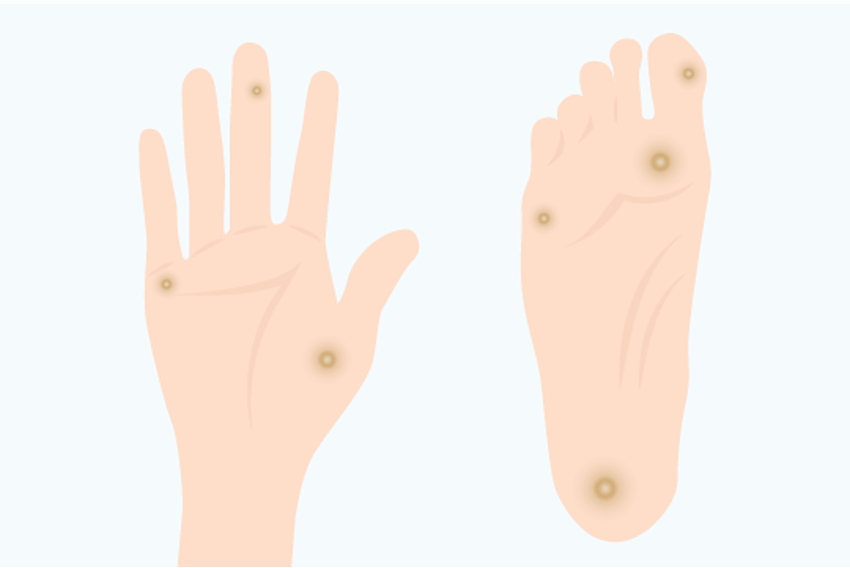
Seborrheic Keratosis (Age-related Wart)
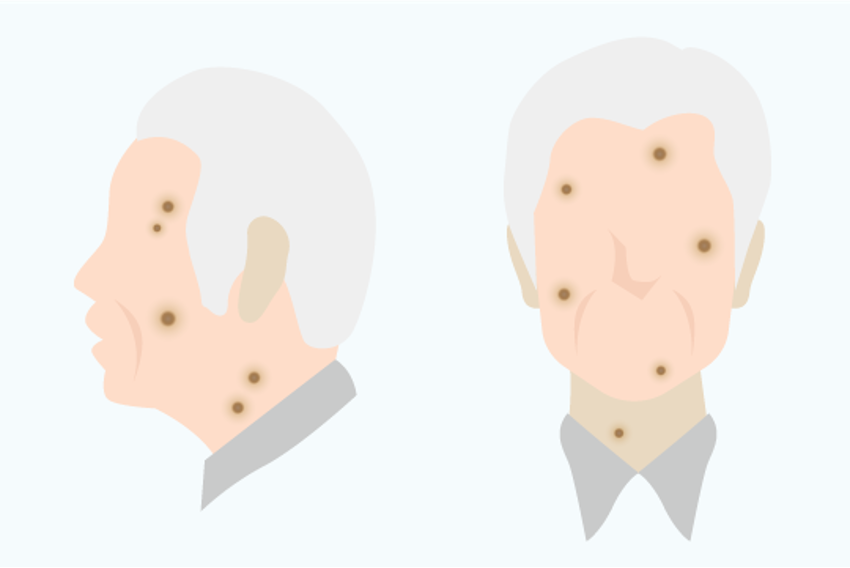
Seborrheic keratosis is a raised, brown or black spot-like wart commonly found on the face and other areas in middle-aged and older adults. It is also known as an “age spot wart.”
It is thought to be caused by aging and UV exposure. It typically begins to appear in people in their 30s–40s and is seen in the majority of people aged 60 and over.
It is most often found on the face and temples, and also frequently appears on sun-exposed areas such as the chest. CO2 laser treatment tends to be highly effective for this type.
Acrochordon (Skin Tags on the Neck, Underarms, and Chest)
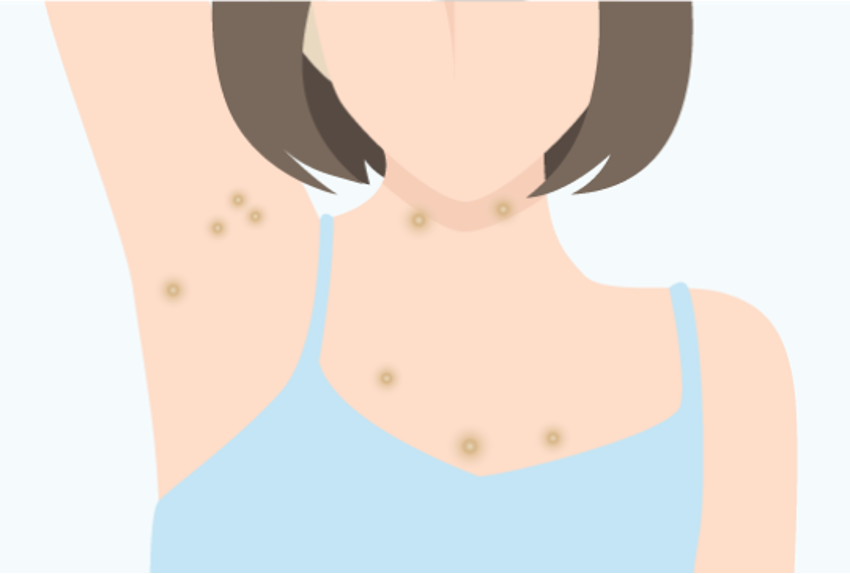
Acrochordons are small, brownish warts measuring 1–2 mm that tend to form in areas where clothing causes friction, such as the neck and underarms.
They often begin to appear around age 30 and tend to occur in large numbers. They can become inflamed when rubbed by clothing or caught on a necklace.
When they are numerous and cosmetic improvement is desired, CO2 laser treatment is a suitable option.
Verruca Plana (Flat Wart)
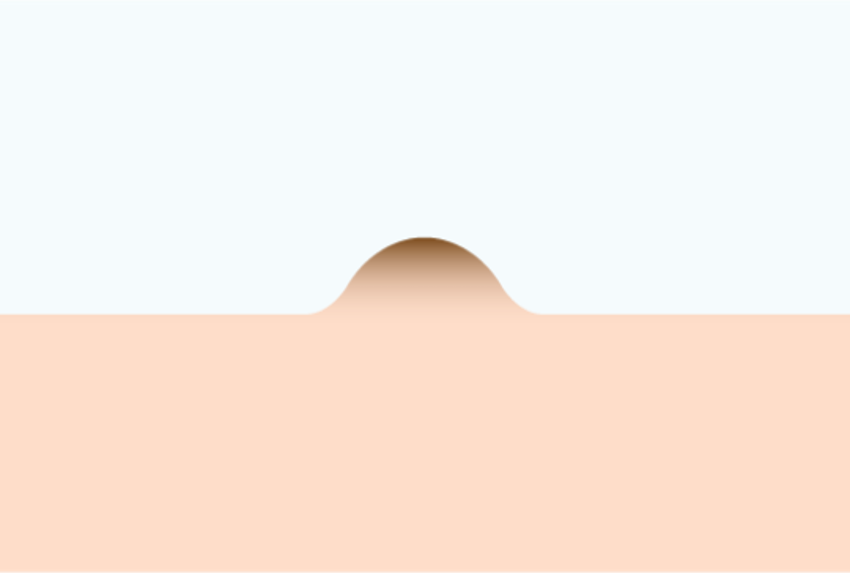
Verruca plana is a viral wart that is brownish in color with a flat surface.
It is characterized by clustering in groups and tends to develop on the forehead, backs of the hands, and arms of relatively younger individuals.
Because it is small and brownish, it is sometimes mistaken for a freckle or age spot.

Pigmented Wart
A pigmented wart is a viral wart accompanied by dark pigmentation.
It is also referred to as a “black wart.”
Myrmecia
Myrmecia is a firm, raised viral wart commonly seen on the palms and soles of children.
The center is often depressed, making it easy to mistake for a corn. If the lesion progresses deep into the skin, it may cause significant pain.
Treatment often takes considerable time, and these warts can be difficult to resolve.

Punctate Wart
Punctate warts are small, rough viral warts that appear in large numbers on the soles of the feet.
They are often white in color.
(3) Warts Can Be Contagious
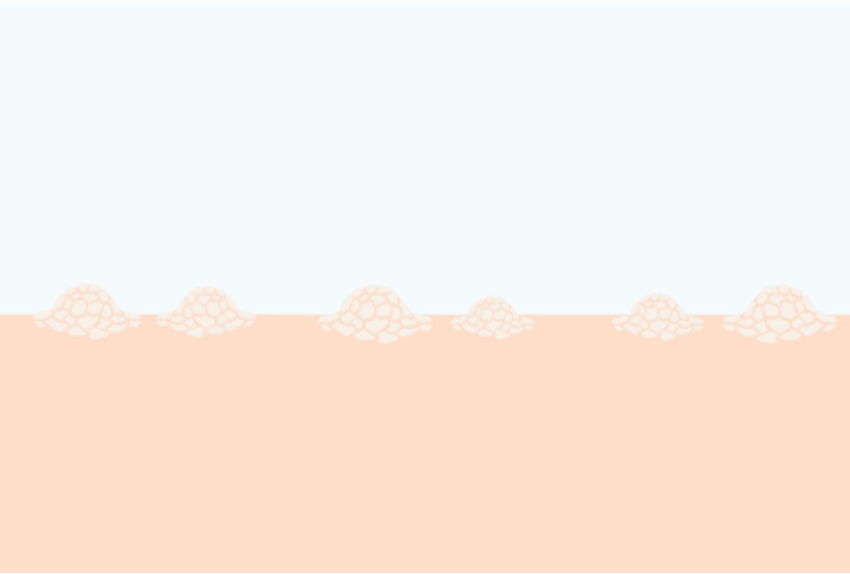
Viral warts can spread from person to person through direct skin contact, so caution is necessary. They can also spread to other areas of your own body.
For example, if you touch a wart and then touch another area of your skin, a new wart may develop in that location.
Healthy, intact skin and mucous membranes are relatively resistant to infection, so there is no need for excessive worry. However, the risk of viral entry increases if the skin or mucous membranes have small cuts or if immune function is reduced.
Non-viral seborrheic keratosis (age-related warts), on the other hand, does not spread to others.
(4) Warts May Disappear Naturally in Some Cases
Viral warts can sometimes resolve on their own once immunity develops. However, waiting for natural resolution carries a risk of worsening, so medical treatment is generally recommended.
It can take months to years for immunity to develop, during which time warts continue to grow and multiply. They may spread to other areas or become larger and cause pain, even as they appear to be healing.
For these reasons, we recommend seeking treatment early rather than waiting for warts to resolve on their own.
【Important】What Should You Avoid Doing with Warts?

There are two things you should never do when you have a wart: leaving it untreated and trying to remove it yourself.
Both of these carry the risk of making the wart worse. In particular, viral warts can spread to other areas of the body, so please avoid touching them.
Most warts are benign, but in rare cases they may be malignant, so if you notice a wart, please see a doctor as soon as possible.
The following explains the two key things to avoid when you have a wart.
Leaving a Wart Untreated
Leaving a wart untreated may allow it to spread to other areas or grow larger.
For example, touching a viral wart and then touching your foot could cause a new wart to develop there. You may also unknowingly spread warts to other people without realizing it.
Furthermore, even a small wart can gradually enlarge over time as the virus continues to multiply.
Large or multiple warts often require prolonged treatment, so it is important to begin treatment promptly rather than leaving them unattended.
Attempting to Remove a Wart Yourself
Trying to remove a wart yourself may worsen the condition.
In particular, please never attempt to forcibly remove a wart using scissors, tweezers, or similar tools. Doing so risks causing bleeding and bacterial infection, which can make the wart worse.
Even over-the-counter medications marketed for warts cannot easily address the underlying cause. This is because warts come in many types, and it is difficult to correctly identify the type and choose an appropriate treatment on your own.
Even if a wart is small, please refrain from trying to remove it yourself and consult a medical professional, who can provide treatment suited to the specific type of wart.
The Four Main Wart Treatment Methods
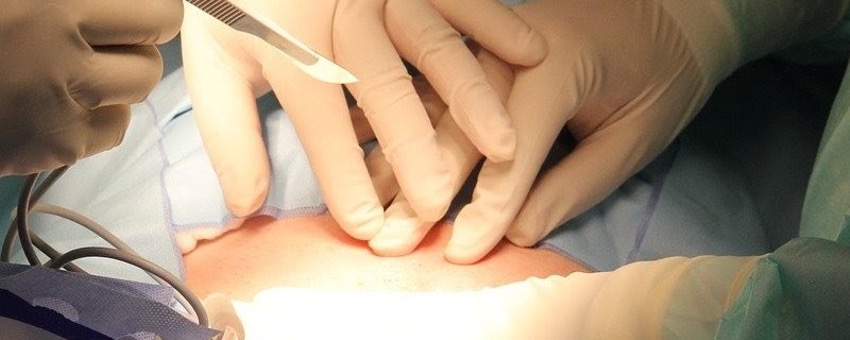
There are four main wart treatment methods, and each differs in terms of insurance coverage, downtime, and other factors.
The approximate cost, advantages, and disadvantages of each treatment are as follows.
We will explain each treatment option in detail below.
Wart Treatment Method 1: Cryotherapy with Liquid Nitrogen
Cryotherapy with liquid nitrogen is the most commonly used wart treatment.
The wart is frozen with liquid nitrogen, inducing frostbite-like damage that causes necrosis of the abnormal tissue on the skin surface.
Specifically, the wart is frozen using liquid nitrogen at −196°C. After freezing, the infected skin tissue undergoes necrosis and separates from the surrounding skin.
※ Please note that our clinic has certain limitations on cryotherapy when treating large numbers of warts at once.
At our clinic, this is the first-line treatment option for warts. Sessions are conducted once a week and treatment is typically continued for approximately two months.
If there is no improvement, we will promptly consider switching to or adding another treatment method.
Wart Treatment Method 2: Surgical Excision
This method involves using a scalpel under local anesthesia to surgically remove the wart. It is considered as a treatment option for warts that are difficult to resolve by other means.
Because local anesthesia is used, there is no pain during the procedure itself. However, the anesthetic injection itself can be painful depending on the location, so this approach may not be suitable for all areas.
Wart Treatment Method 3: CO2 Laser Treatment
The CO2 laser emits laser light that is absorbed by water and converted to heat.
Applying the CO2 laser can significantly reduce the volume of a wart and is mainly used when there is a desire to reduce the size of a very large wart.
Because local anesthesia is used, there is no pain during the procedure. However, the anesthetic injection itself can be painful depending on the location, so this approach may not be suitable for all areas.
*CO2 laser treatment is not covered by health insurance.
Wart Treatment Method 4: Adjunctive Medication
This approach involves using topical medications or herbal medicines with a reported effect on warts. It is often used in combination with other treatment methods.
It is also suitable for wart treatment in patients who are sensitive to pain or for children.
If you are unsure which wart treatment is right for you, please feel free to consult IC Clinic.
It is natural to feel uncertain about choosing a clinic or treatment method when weighing cost and expected outcomes.
IC Clinic is equipped to provide all of the treatments described above. This means we can address a wide variety of wart types and select a treatment approach suited to each individual patient.
We also draw on our specialized expertise in skin and dermatology to aim for treatment that minimizes visible scarring.
Even if your wart is small and you are unsure whether to seek treatment, please do not hesitate to reach out to us.
4 Important Points to Note About Liquid Nitrogen Wart Treatment
In Japan, cryotherapy with liquid nitrogen is the most commonly used approach for wart treatment. However, there are some important points to be aware of with this method.
Because liquid nitrogen treatment is offered at many clinics, some patients may have the impression that it is the only option for wart treatment.
However, cryotherapy with liquid nitrogen is not necessarily the ideal wart treatment in every situation.
In fact, many patients visit our clinic after undergoing prolonged cryotherapy for viral warts at other facilities without achieving a complete resolution.
While liquid nitrogen treatment is a common approach to warts, it is important to understand that it has both advantages and limitations.
Below, we outline four key points to keep in mind regarding liquid nitrogen wart treatment.
(1) Many Patients Find Liquid Nitrogen Wart Treatment Painful
Cryotherapy can be quite painful during the procedure, and patients who are sensitive to pain—such as children—may find it difficult to continue treatment.
Treatment is typically administered every 1–2 weeks for a total of several sessions up to more than 10 sessions, and consistent, ongoing treatment is necessary to achieve sufficient results. Without regular sessions, complete resolution can be difficult to achieve.
The discomfort following liquid nitrogen treatment usually lasts about 1–2 days. Pain relief medication can be taken to help manage this discomfort if needed.
At our clinic, liquid nitrogen treatment is also our first-line option. However, for patients who find the pain difficult to tolerate, we will discuss options such as pain management strategies or alternative treatment approaches.
Blood blisters or fluid-filled blisters may also develop following liquid nitrogen treatment. If a blister breaks, it is important to disinfect the area and protect it with gauze to prevent infection.
(2) In Some Cases, Warts May Worsen After Liquid Nitrogen Treatment
After cryotherapy, small new warts may sometimes develop around the treated area.
This can occur because freezing a viral wart with liquid nitrogen may cause the cell contents—including the virus responsible for the wart—to disperse to surrounding areas.
The virus does not readily infect intact skin, but if the surrounding skin has any small wounds, new warts may develop in those areas.
While this is not common, it is worth knowing that for some patients, a small wart may spread and worsen following cryotherapy.
(3) Treatment Duration with Liquid Nitrogen Can Become Prolonged
Liquid nitrogen treatment rarely resolves warts in a single session, and treatment can sometimes take a considerable amount of time.
Sessions are conducted every 1–2 weeks, and some patients may see resolution in 2–3 sessions if progress is favorable.
However, repeated cryotherapy can cause the skin to harden and thicken, which may actually make the wart more resistant to treatment. As a result, some patients require an extended course of treatment.
The duration of liquid nitrogen treatment varies considerably from person to person and is difficult to predict in advance.
(4) Scarring or Discoloration May Remain After Liquid Nitrogen Treatment
Cryotherapy frequently results in post-inflammatory hyperpigmentation (a darkening of the skin). This is a side effect observed in approximately 90% of patients who undergo liquid nitrogen therapy.
Hyperpigmentation typically appears about one month after the wart has cleared and may take around six months to one year to fade. In some cases, the discoloration may be slightly larger than the original wart.
For this reason, our clinic considers alternatives such as laser treatment rather than cryotherapy when patients are concerned about pigmentation, or when many small warts are present in a visible area such as the face or neck.
IC Clinic’s Approach to Wart Treatment
- 1. Team-Based Treatment Drawing on Broad Expertise
Dermatologists and plastic surgeons work together as a team to provide wart treatment, enabling a high level of technical skill and comprehensive care.
- 2. Results-Focused Treatment Aimed at Efficient Resolution
With surgeons also on our team, we can propose curative treatments such as surgery in cases where long-term treatment is anticipated, such as treatment-resistant warts. When desired by the patient, we can transition to the next treatment step promptly.
- 3. A Wide Range of Treatment Options to Choose From
In addition to the standard cryotherapy with liquid nitrogen, we also offer curative surgical excision and CO2 laser treatment. This allows us to select the approach that is most appropriate for each patient.
- 4. Insurance-Covered Treatment to Help Reduce Costs
Our clinic offers wart treatment under the national health insurance system, providing peace of mind regarding costs. We take the time during the initial consultation to understand each patient’s concerns and goals, and recommend a treatment plan that genuinely fits their needs.
- 5. Conveniently Located for Regular Visits
IC Clinic Shinjuku is within a 3-minute walk from the South Exit of JR Shinjuku Station, making it easy to attend regular follow-up visits. Patients can also reach us by a direct train from areas including Saitama, Tokyo, Chiba, and Kanagawa.
The Wart Treatment Process at IC Clinic
Below is a step-by-step overview of the treatment process.
This is the flow of wart treatment at IC Clinic.
- Assessment of wart type and condition
- Liquid nitrogen treatment
- Proposal of the next treatment step
- Consideration of surgical treatment
- Proposal of CO2 laser treatment
Let’s take a closer look at each step.
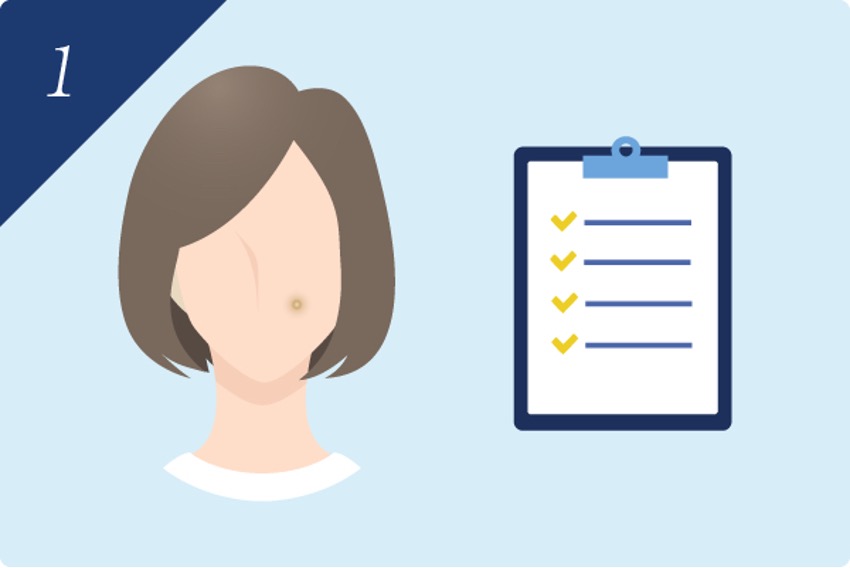
STEP 1: Assessment of Wart Type and Condition
First, we identify the type of wart. In most cases, treatment begins with cryotherapy using liquid nitrogen as the first-line approach.
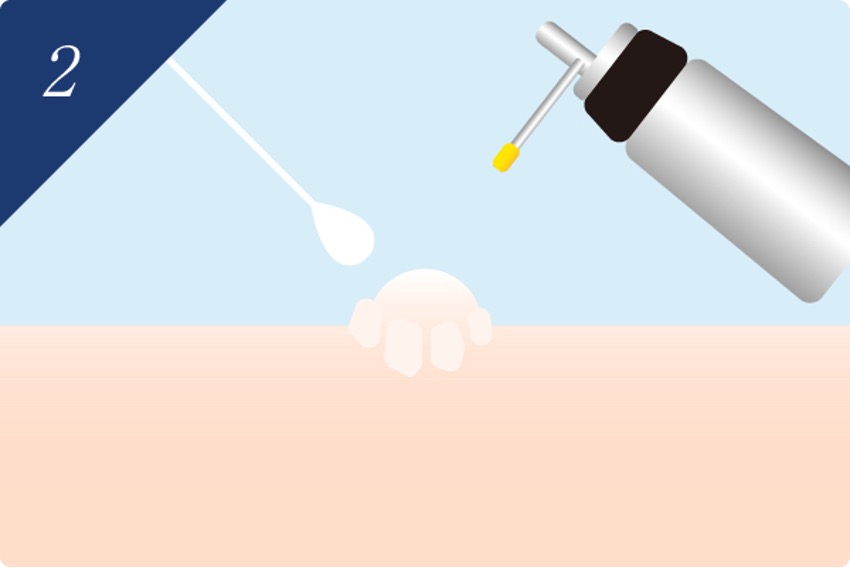
STEP 2: Liquid Nitrogen Treatment (up to approx. 2 months)
During liquid nitrogen treatment, we ask patients to visit once every 1–2 weeks, and treatment is continued for approximately 2 months.
※ To minimize skin damage from frostbite, our clinic limits each session to approximately 10 minutes of application time.
STEP 3: Proposal of the Next Treatment Step
If there is no improvement after two months of cryotherapy, we will promptly consider and propose the next stage of treatment in line with the patient’s preferences.
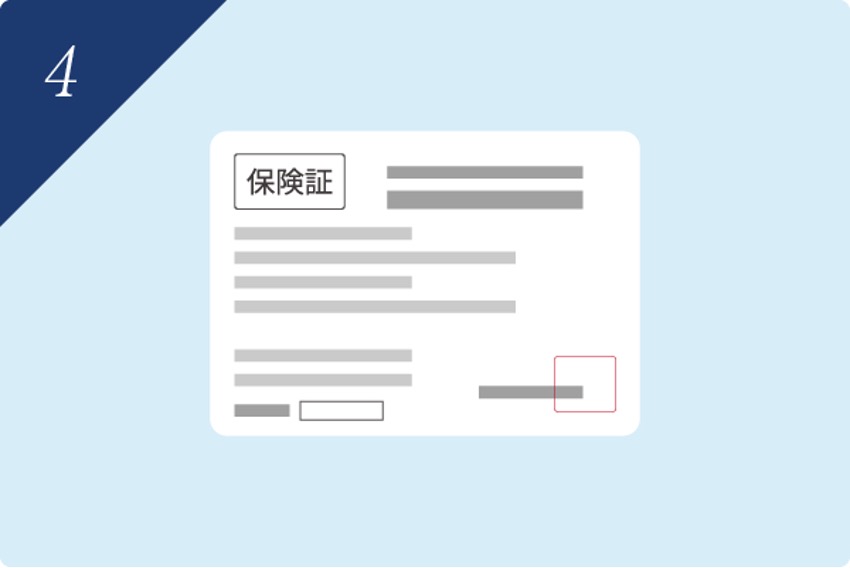
STEP 4: Consideration of Surgical Treatment
When the number of warts is relatively limited, curative surgical excision can be a good option. This is covered by health insurance, though the number of warts that can be treated surgically in a single session is limited.
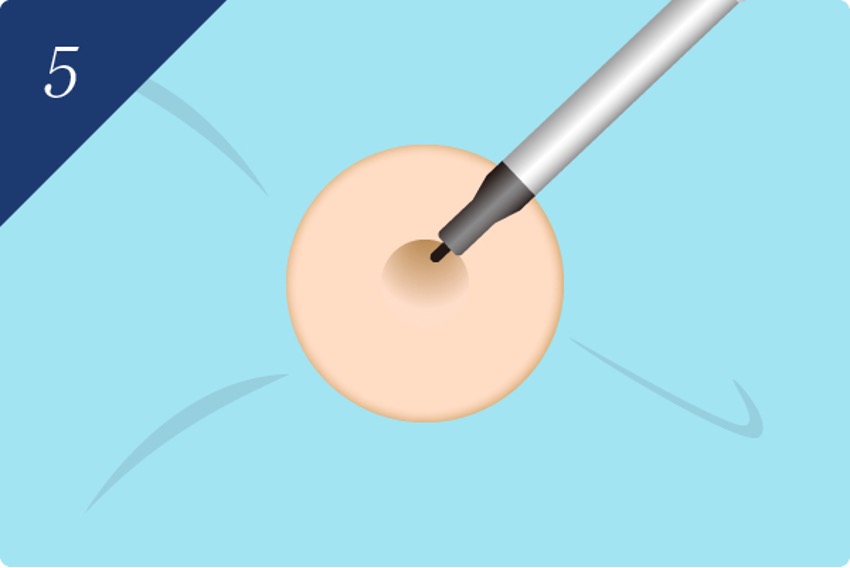
STEP 5: Proposal of CO2 Laser Treatment
When warts are numerous and have proven resistant to other treatments, CO2 laser treatment can also be an effective option.
This treatment is not covered by health insurance, but it can be used to treat warts without any limit on the number treated per session.
*In addition to the above treatments, supplementary oral or topical medications may be added as adjunctive therapy as needed.
Wart Treatment Fees at IC Clinic
Below is a summary of approximate fee guidelines for wart treatment at IC Clinic.
Approximate Treatment Fee Guidelines
Cryotherapy with Liquid Nitrogen
1–3 warts: ¥630 (at 30% patient co-payment) ※ Consultation and prescription fees are charged separately.
4 or more warts: ¥810 (at 30% patient co-payment) ※ Consultation and prescription fees are charged separately.
Surgical Excision
Exposed areas: ¥5,000 (at 30% patient co-payment) ※ Consultation and prescription fees are charged separately.
Non-exposed areas: ¥5,000 (at 30% patient co-payment) ※ Consultation and prescription fees are charged separately.
※ Pathological examination is performed in principle at the physician’s discretion.
※ In addition to the surgical fees above, consultation and prescription fees are approximately ¥1,000, and examination/pathology fees are approximately ¥3,000.
CO2 Laser Treatment
This treatment is not covered by health insurance. Please consult with our physician for details.
Fees vary depending on the condition of the wart. If you would like to know the specific cost, please feel free to contact us.
Wart Treatment May Also Be Covered by Private Health Insurance
If you have a private medical insurance policy or mutual aid membership, you may be eligible to receive a surgical benefit payment when you undergo insurance-covered surgical wart treatment after a medical consultation.
Please note that even if you have private insurance, the benefit will not be paid unless you submit a claim yourself.
If a physician’s certificate is required, please be sure to inform us at the time of your consultation.
Patients with private medical insurance or mutual aid coverage are encouraged to check with their insurer whether wart treatment qualifies for a benefit payout.
(The procedure may be listed under a name such as “excision of cutaneous or subcutaneous tumor.”)
Frequently Asked Questions About Warts
We have compiled answers to common questions and concerns about warts. If you have any questions about warts, please use this as a reference.
Warts form as a result of epidermal thickening, so their contents consist of proliferated epidermis, dermis, and blood vessels. The epidermis and dermis become interlocked in an alternating pattern, so if the surface is shaved with a scalpel, the dermis is exposed and pinpoint bleeding can be seen.
In the case of viral warts, the virus responsible for the wart is also present within the lesion. Molluscum contagiosum (water warts), which are common in children, contain a small white core inside, and this core contains the virus.
Viral warts tend to develop more easily in people with atopic dermatitis and in those with reduced immune function. This is because the virus can enter the body more easily when the skin or mucous membranes have small wounds, or when skin immune defenses are lowered.
Non-viral seborrheic keratosis (age-related warts), on the other hand, tends to be more common in people over 40, and in those who have had significant sun exposure in the past or who are frequently exposed to sunlight.
Pulling out a hair growing from a wart can damage the skin, allowing bacteria to enter, or cause the wart virus to spread to surrounding areas, potentially worsening the wart.
Therefore, if you are bothered by a hair growing from a wart, please do not pull it out—simply trim it with scissors.
Blister formation following liquid nitrogen treatment is not unusual, so there is generally no need to be overly concerned.
The blister typically forms a scab, and in many cases the wart comes off along with the scab after 1–2 weeks.
However, please be careful not to burst the blister. If it breaks on its own, disinfect the area and cover it with gauze to prevent infection.
It is well known that infection with the human papillomavirus (HPV), the cause of warts, can lead to cancers such as cervical cancer.
More than 100 strains of HPV have been identified. Among these, the strains capable of causing cancer are known to a certain extent, and it can be said that the strains responsible for ordinary common warts are very unlikely to cause cancer, so there is generally no need for concern.
However, Bowenoid papulosis and condyloma acuminatum may be caused by high-risk HPV strains, so it is important to complete treatment fully for these conditions.
To have a wart removed, please visit a dermatology, cosmetic dermatology, or plastic surgery (cosmetic surgery) department.
In brief, dermatology treats diseases affecting the skin, while cosmetic dermatology and plastic surgery (cosmetic surgery) focus on procedures aimed at improving appearance.
For patients who simply want a wart removed, a general dermatology clinic is suitable. However, for patients who want a wart on the face removed with minimal visible scarring, cosmetic dermatology or plastic surgery (cosmetic surgery) may be more appropriate.
Insurance-covered wart removal of facial and body warts is available at cosmetic dermatology and plastic surgery clinics as well. It is a good idea to consult at multiple clinics first to compare costs and treatment options.
For Wart Treatment in Tokyo (Shinjuku), Please Consult IC Clinic Shinjuku
If you are seeking wart treatment in Tokyo (Shinjuku), please consult IC Clinic Shinjuku.
Our clinic offers four wart treatment options: cryotherapy with liquid nitrogen, curative surgical excision, CO2 laser treatment, and adjunctive therapy. This allows us to propose a treatment plan best suited to each individual patient.
All of our clinics are conveniently located near train stations, making it easy for patients to attend the multiple visits that wart treatment often requires. We are open every day including weekends and public holidays, so patients with busy schedules can visit at a time that is convenient for them.
If you are troubled by warts, please feel free to consult IC Clinic.
4 Key Features of IC Clinic
(1) We Provide Specialized Treatment Focused on Results
Our experienced specialist physicians are dedicated to delivering results-oriented treatment while minimizing the burden on each patient.

(2) We Propose Treatment Plans Tailored to Each Patient’s Condition and Goals
We listen carefully to each patient’s concerns and worries and provide a treatment plan that is most appropriate for their individual needs.

(3) Minimizing Discomfort and Aiming for Clean Results
From our broad range of treatment options, we select the approach that minimizes patient discomfort and aims to leave as little visible impact on the skin as possible after the procedure.

(4) A Welcoming Clinic for Patients of All Ages and Backgrounds
We strive to create a clinic environment where anyone, regardless of age or gender, feels comfortable seeking advice.
Self-Pay Wart Treatment | Wart Treatment in Practice
Cryotherapy with Liquid Nitrogen: The Commonly Used Standard Approach
In Japan, cryotherapy with liquid nitrogen is the most widely used wart treatment. Some patients may have the impression that it is the only option available for treating warts.
Cryotherapy with liquid nitrogen is a straightforward treatment that requires minimal preparation and no particularly complex technical skill. It is said that close to half of all warts can be resolved with cryotherapy alone.
However, cryotherapy with liquid nitrogen is not always the most suitable wart treatment. Many patients visit our clinic after undergoing long-term cryotherapy at other facilities without achieving a complete resolution.
Limitations of Cryotherapy in Wart Treatment
Cryotherapy with liquid nitrogen is generally considered to have the following drawbacks.
1
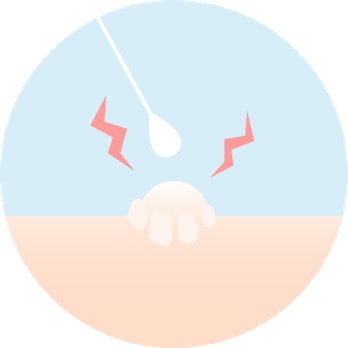
Cryotherapy can be quite painful during the procedure, and many patients who are sensitive to pain—such as children—find it difficult to continue. Because cryotherapy needs to be performed on a regular basis, patients who do not attend consistently are unlikely to achieve sufficient results or a full resolution.
2
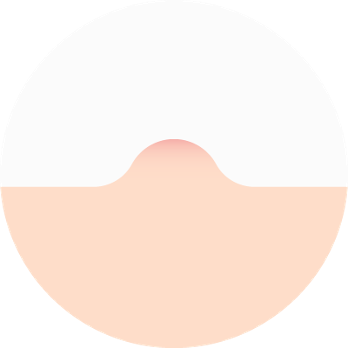
Cryotherapy can cause the virus responsible for the wart to disperse to surrounding areas, potentially spreading the wart rather than containing it. Some patients have reported that a small wart became more widespread following cryotherapy.
3
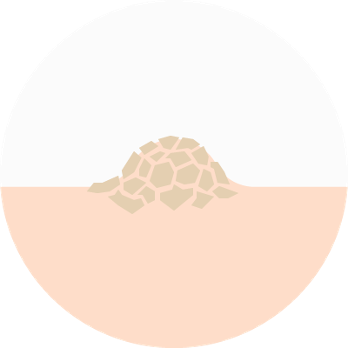
Cryotherapy can cause the skin to harden and thicken, which may actually make the wart more resistant to treatment.
4
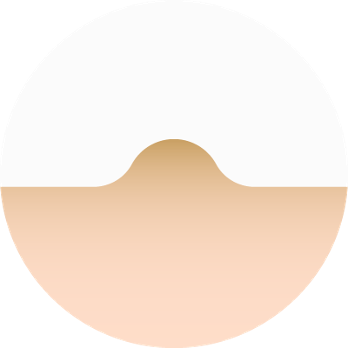
Cryotherapy frequently results in hyperpigmentation. For this reason, when patients are concerned about pigmentation or dark spots, or when small warts are present in large numbers on the face or neck, we consider alternative treatments such as laser therapy rather than cryotherapy.
Conditions That Resemble Warts
- Mole (Nevus)
This refers to a pigmented nevus. It typically occurs as a single lesion with a raised surface. If symptoms such as bleeding when snagged or a tendency to enlarge are present and further evaluation is needed, surgical treatment is a suitable option.
- Dermatofibroma
This can resemble a wart and commonly appears on the arms and legs. It is a firm, dark brown skin tumor that feels like a nodule. It can develop following insect bites or other minor skin injuries.
- Neurofibroma
This is a benign skin tumor arising from peripheral nerves. It is also known to occur in large numbers in neurofibromatosis type 1 (Recklinghausen’s disease). It can also occur as a solitary lesion and may need to be distinguished from a Miescher nevus.
These are commonly found in areas subject to friction, such as the neck, underarms, and groin. They appear as skin-colored, wart-like raised lesions. They tend to increase gradually with age and friction. Small ones around the neck are sometimes called acrochordons.
- Basal Cell Carcinoma
This is the most common form of skin cancer, typically occurring on the face. It can resemble a wart, so careful differential diagnosis—including skin biopsy when appropriate—is important. Complete surgical excision is required, and in some cases referral to a general hospital or university hospital may be necessary.
- Malignant Melanoma
This is a type of skin cancer that tends to metastasize and can be life-threatening. Prompt treatment upon discovery is critical. It most often occurs on the soles of the feet. If this diagnosis is made, we will promptly refer the patient to a university hospital or cancer center.
Wart Treatment | CO2 Laser Treatment
The CO2 laser emits laser light that is absorbed by water and converted to heat. Applying the CO2 laser can significantly reduce the volume of a wart and is mainly used when there is a desire to reduce the size of a large wart. Because local anesthesia is used, there is no pain during the procedure. However, the anesthetic injection itself can be painful depending on the location, so this approach may not be suitable for all areas.
*CO2 laser treatment is not covered by health insurance.
Wart Treatment at IC Clinic
Although not covered by health insurance, CO2 laser treatment can be considered a first-line option. It can often be completed in a single session with minimal impact on the surrounding skin. It is also an effective option for warts that are numerous and have proven resistant to other treatments.
*In addition to the above treatments, supplementary oral or topical medications may be added as adjunctive therapy as needed.
Q&A About Wart Treatment
Warts develop when a type of virus called human papillomavirus (HPV) infects the skin. Infection can occur through direct contact between people, or indirectly via shared items such as swimming pools, foot mats, or slippers. The incubation period for the virus is long—1 to 6 months—so the cause is often unclear. There are many strains of HPV, and the strain that causes infection determines which type of wart develops. In addition to common warts, verruca plana (flat warts), condyloma acuminatum, and Bowenoid papulosis are also infections caused by human papillomavirus.
Insurance coverage applies in the following cases:
When skin cancer cannot be ruled out
When the wart is on the eyelid and obstructs vision
When the wart catches when shaving or when removing clothing
When the wart is large and surgical excision is performed
When a viral wart is suspected and treatment is required
Please note that some treatments, such as CO2 laser for cosmetic purposes, are not covered by health insurance.
I have been receiving liquid nitrogen cryotherapy for a wart for one year, but it has not improved. Is a complete cure possible?
Please feel free to consult us. Warts often cannot be resolved by liquid nitrogen treatment alone, so it is important to select the most appropriate treatment approach based on each patient’s situation. At IC Clinic, we take into account the type of wart and the characteristics of available treatments, and we are prepared to promptly transition to the most suitable treatment for patients whose warts have been difficult to resolve, according to their preferences. We particularly encourage patients who have tried liquid nitrogen treatment without satisfactory results to consider treatment at our clinic.
This depends on the type of treatment. CO2 laser treatment involves some discomfort when local anesthesia is injected into the wart area, but there is no pain during the procedure itself. Other treatments involve little to no pain.
This depends on the patient’s individual situation, so it is difficult to give a definitive answer in terms of months or number of sessions. However, for a typical wart, many patients experience resolution within 2–3 months with weekly visits.
It is well known that infection with human papillomavirus (HPV), which causes warts, can lead to cancers such as cervical cancer. More than 100 strains of HPV have been identified, and the strains capable of causing cancer are known to a certain degree. For the strains that cause ordinary common warts, the likelihood of cancer development is very low, so there is generally no need for concern. However, Bowenoid papulosis and condyloma acuminatum may involve high-risk HPV strains, so it is important to complete treatment fully for these conditions.
There are currently no reports of skin cancer developing from seborrheic keratosis, so there is generally little need for concern. However, some forms of skin cancer closely resemble seborrheic keratosis. If you have any concerns, we recommend having a medical examination.
When cosmetic results are important and a clean outcome is desired, laser treatment is generally preferable (not covered by health insurance).
Removal is possible using CO2 laser treatment at our clinic. Please note that CO2 laser treatment is not covered by health insurance.
There are no particular restrictions, and you may carry on with your normal daily activities. However, some patients scratch at their warts with their fingernails in an attempt to remove them. This can spread the virus to other areas, causing new warts to develop, so please take care to avoid doing this.
Warts do not spread easily to other people, so there is no need for excessive worry. That said, it is a good idea to avoid touching warts directly with your hands, and to use separate towels for drying your hands and feet.