

Hidradenitis Suppurativa (Chronic Pyoderma) Treatment | IC Clinic Shinjuku
“I’m experiencing pain and swelling from a skin lesion.”
“I want to seek treatment but don’t know which specialty to visit.”
Are you struggling with painful, swollen red boils appearing on your body and unsure how to deal with them?
If hidradenitis suppurativa is the cause, prompt attention is important, as the condition can worsen over time, leading to pus discharge and a widening of the affected area.
With hidradenitis suppurativa, surgical excision of the affected area may be possible. Medical treatment is also available, so please consider consulting a clinic.
This page explains the causes, prevention methods, and clinical treatment options for hidradenitis suppurativa. We hope this information helps you understand how to manage the condition.
What Is Hidradenitis Suppurativa? | A Condition Causing Lumps, Swelling, and Pus
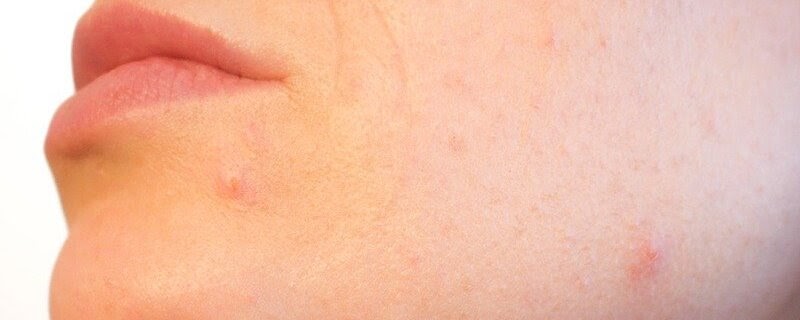
Hidradenitis suppurativa is a chronic skin condition characterized by recurring, painful, red boils with swelling [1,6,8].
Formally known as “hidradenitis suppurativa (HS),” it is classified as a chronic inflammatory skin disease and a type of follicular occlusion disorder [8,20].
It tends to develop in areas rich in apocrine sweat glands, and the Hurley classification system is internationally used as a standard tool for assessing disease severity [5,8].
The specific symptoms of hidradenitis suppurativa are as follows.
| Symptom | Characteristics |
|---|---|
| Nodules | Firm lumps or bumps under the skin that may become red and swollen over time |
| Abscesses | Pus-filled cavities that develop beneath the skin surface |
| Sinus tracts (fistulas) | Tunnels under the skin from which pus drains, often accompanied by pain |
| Scarring | Thickened skin resulting from repeated flare-ups, leaving permanent scar tissue |
(Reference: Do You Know About Hidradenitis Suppurativa?)
The condition commonly develops under the breasts, on the buttocks, in the groin, and in the armpits, with onset most frequently occurring in people in their 20s to 40s [7,14,23]. Prevalence is estimated at 0.05–4% in Western countries and approximately 0.05–0.1% in Japan, with the condition reported to occur approximately 2–3 times more often in women than in men [7,14]. The average time to diagnosis is approximately 7–10 years, and delayed diagnosis is recognized as a global concern [27].
If left untreated, hidradenitis suppurativa can lead to a buildup of pus, and as the condition progresses, individual boils may become connected beneath the skin surface.
As symptoms worsen, they can cause significant swelling and pain, making early treatment important. Delayed management may also result in permanent scarring (known as cicatrices).
Causes of Hidradenitis Suppurativa
Blocked hair follicles are considered to play a role in the development of hidradenitis suppurativa [9,17,28]. At the molecular level, the overproduction of inflammatory cytokines such as TNF-α, IL-1β, and IL-17, along with dysfunction of the skin barrier, are thought to be central to the disease process [18,28]. Mutations in genes such as NCSTN, PSEN1, and PSENH have also been identified in familial cases, indicating that genetic predisposition is an important contributing factor [8,28].
Follicular blockage occurs when dead skin cells are not shed smoothly due to aging or disruption of the skin cell turnover cycle. Hormonal changes can also contribute to clogged follicles.
When pressure or friction is applied to a blocked follicle, the hair follicle sac can rupture and its contents leak out, triggering inflammation.
Smoking and obesity are also considered factors that increase the risk of developing hidradenitis suppurativa [14,22,23]. Large-scale epidemiological studies have shown that smokers have approximately 3–4 times the risk compared with non-smokers, and individuals with a BMI of 30 or above have approximately 2–3 times the risk [14,22]. Other reported risk factors include mechanical friction, hormonal fluctuations, stress, and certain dietary factors such as dairy products and high-glycemic foods [14,23].
Family history has also been identified as a potential contributing factor, though the precise underlying causes have not yet been fully established.
Severity Assessment of Hidradenitis Suppurativa
The Hurley classification is internationally used to assess the severity of hidradenitis suppurativa [5,6].
The condition is divided into three stages: Stage I, characterized by abscess formation without sinus tracts or scarring; Stage II, involving recurrent abscesses with single or multiple sinus tracts and scarring; and Stage III, defined by diffuse or near-diffuse involvement with multiple interconnected sinus tracts, abscesses, and extensive scarring leading to thick, plaque-like induration of the skin [5].
Conditions Similar to Hidradenitis Suppurativa | How to Tell the Difference
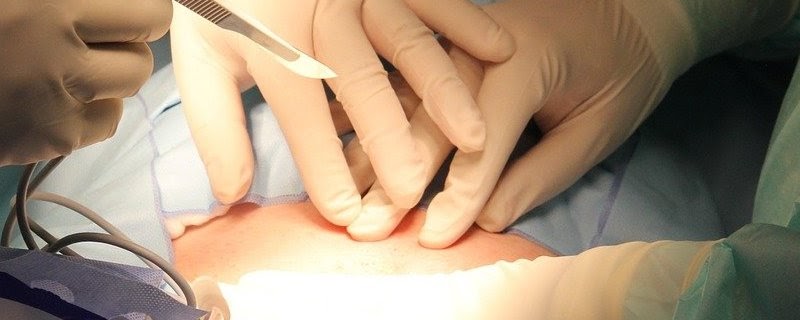
Conditions that resemble hidradenitis suppurativa include epidermoid cysts (atheroma) and folliculitis.
| Condition | Characteristics |
|---|---|
| Epidermoid Cyst (Atheroma) | A benign tumor that forms when waste materials such as sebum accumulate inside the skin |
| Folliculitis | Inflammation caused by bacteria entering the hair follicle that surrounds the hair root |
| Hidradenitis Suppurativa | Inflammation resulting from a ruptured hair follicle and leakage of its contents |
Attempting the wrong treatment based on a misidentified condition may result in no improvement or a worsening of symptoms. Below we explain the differences between hidradenitis suppurativa and similar conditions, and how to approach each.
Epidermoid Cyst (Atheroma)
An epidermoid cyst (atheroma) is a benign tumor that develops when waste materials such as dead skin cells and sebum, which would normally be shed, accumulate inside the skin.
Epidermoid cysts start as small lumps, but over time, the waste materials build up inside the skin sac, causing the cyst to grow larger.
One distinguishing feature from hidradenitis suppurativa is that epidermoid cysts have a small opening in the skin over the affected area. Bacteria can enter through this opening, cause an infection, and produce symptoms such as pain and warmth.
Similar to the boils caused by hidradenitis suppurativa, pus may develop as the condition progresses.
When treated early, the condition may resolve with oral antibiotics, so visiting a clinic promptly is important. For more details on the causes, symptoms, and treatment of epidermoid cysts, please refer to the following page.
About Epidermoid Cysts (Atheroma)
Folliculitis
Folliculitis is inflammation of the hair follicle, which surrounds the hair root deep within the pore.
It occurs when bacteria enter through a break in the skin surface. Symptoms of folliculitis include redness and pus formation around the affected area.
Although hidradenitis suppurativa and folliculitis share similar symptoms, they differ in location and underlying causes.
Folliculitis tends to develop on the back of the neck, the thighs, or near the groin area. Hidradenitis suppurativa, by contrast, most commonly occurs under the breasts, on the buttocks, in the groin, and in the armpits.
Keeping the skin clean is key to both preventing and managing folliculitis. In mild cases, the condition may resolve within about one week simply by keeping the affected area clean.
How to Help Prevent Hidradenitis Suppurativa
Avoiding obesity and smoking is important in helping to prevent the onset of hidradenitis suppurativa.
Obesity increases pressure on the skin and promotes friction from clothing, which may raise the likelihood of developing hidradenitis suppurativa. Reviewing your diet and exercise habits to help maintain a healthy weight is advisable.
Our clinic offers treatments such as GLP-1 therapy to help regulate food intake and support effective weight management. Those looking to take a more proactive approach to weight management may wish to consider these treatment options.
For more details on medical weight management, please refer to the page below.
In addition, the chemical components in cigarettes are thought to promote skin hardening and may contribute to the development of hidradenitis suppurativa. Quitting smoking may also help reduce the risk of other health conditions, so reviewing your smoking habits is worthwhile.
How Is Hidradenitis Suppurativa Treated? Two Main Approaches

The two main treatment approaches for hidradenitis suppurativa are medication and surgical removal. Surgical excision tends to offer a more fundamental improvement of the condition. The characteristics of each treatment are explained below.
Surgical Removal
Surgery for hidradenitis suppurativa involves wide excision of the affected skin through all layers of tissue [10,21,29]. Surgical treatment is regarded as the most definitive curative approach, and complete excision of the affected area can help minimize recurrence [21,29]. Surgical options include wide excision, limited excision, CO2 laser excision, and skin grafting, selected according to the extent and location of the lesion [21,29].
When the affected area is extensive, flap advancement or skin grafting procedures may be required.
In such cases, we will provide a referral to a university hospital or general hospital. Our clinic is able to perform partial excision of the affected skin only.
When a long period has passed since onset and the inflammation has spread beneath the skin, there is a possibility that symptoms may recur due to incomplete removal. In rare cases, skin cancer can develop at the site of hidradenitis suppurativa, making thorough excision of the affected area important.
To help achieve complete removal, a margin of tissue beyond the visible affected area is excised.
Medication
When surgical removal does not achieve the desired outcome or symptoms do not improve, medication may also be used.
Treatment options include oral medications, topical treatments, and injectable drugs.
For example, adalimumab (Humira®) has been shown to help reduce nodules and boils in the affected area [11]. Adalimumab is an anti-TNF-α antibody whose efficacy and safety in moderate-to-severe hidradenitis suppurativa have been demonstrated in Phase III clinical trials (PIONEER I/II) [11]. Other biologic agents such as infliximab, ustekinumab, and secukinumab are also available as treatment options [4,12].
Medication may also help alleviate pain associated with hidradenitis suppurativa.
However, it generally takes approximately three months for Humira to produce noticeable effects. Humira is administered by injection into the abdomen, thigh, or back of the upper arm, allowing the active ingredient to circulate throughout the body.
Self-injection is possible, which can reduce the need for regular clinic visits.
Please note that our clinic does not provide medication-based treatment. If this option is preferred, we will arrange a referral to a general hospital.
Impact on Quality of Life (QOL)
Hidradenitis suppurativa can have a serious impact on patients’ quality of life (QOL) [24,30].
International survey research has reported that approximately 80% of patients experience interference with daily activities, and approximately 60% report an impact on their ability to work [24,30].
The co-occurrence of depression and anxiety disorders is also significantly higher than in the general population, and psychological support is considered an important component of treatment [24].
Epidemiology and Prevalence of Hidradenitis Suppurativa
Hidradenitis suppurativa is a chronic inflammatory skin disease with growing global recognition, and prevalence varies by region [7,14,23].
It is estimated at 0.05–4% in Western countries and approximately 0.05–0.1% in Japan, and the condition is notably more common in women, occurring approximately 2–3 times more frequently than in men [7,14].
Onset is most common after puberty, with an average age of onset of approximately 23 years [14]. Delayed diagnosis is a recognized issue, with international reports indicating that an average of 7–10 years may pass between the appearance of symptoms and a confirmed diagnosis [27].
Pathophysiology and Molecular Mechanisms of Hidradenitis Suppurativa
The pathophysiology of hidradenitis suppurativa involves a complex inflammatory cascade in which both innate and adaptive immunity play a role [18,28].
Overproduction of inflammatory cytokines such as TNF-α, IL-1β, IL-17, and IL-23 is a hallmark feature, and these cytokines play a central role in lesion formation and progression [18].
Dysfunction of the skin barrier, hyperkeratosis of the follicular epithelium, and changes in the skin microbiome also contribute to the disease process [28].
In familial cases, mutations in genes related to the γ-secretase complex, including NCSTN, PSEN1, and PSENH, have been identified [8,28].
Diagnostic Criteria and Differential Diagnosis of Hidradenitis Suppurativa
Diagnosis of hidradenitis suppurativa is based on internationally recognized clinical criteria [6,20].
The primary diagnostic criteria require all three of the following to be present: ① typical skin lesions (deep, painful nodules); ② typical anatomical sites (axillae, inguinal region, perianal area, inframammary region); and ③ a chronic, recurrent clinical course [6].
Differential diagnoses include Crohn’s disease-associated pyoderma, folliculitis, epidermoid cysts, and cutaneous manifestations of Behçet’s disease; a detailed medical history and skin biopsy are useful in distinguishing between these conditions [20].
Treatment Guidelines and Scientific Evidence
Treatment of hidradenitis suppurativa is guided by the 2020 Clinical Practice Guidelines of the Japanese Dermatological Association [6].
For mild cases, topical treatment (topical antibiotics, combined clindamycin-rifampicin therapy) is recommended; for moderate-to-severe cases, systemic treatment (oral antibiotics, biologic agents) is recommended [6].
Among biologic agents, the efficacy of adalimumab (a TNF-α inhibitor) has been demonstrated in multiple large-scale clinical trials, with significant improvement observed particularly in patients with Hurley Stage II–III disease [11].
Surgical treatment is positioned as a definitive curative approach, and complete excision of the affected area may support long-term remission [21,29].
Hidradenitis Suppurativa (HS)
Known internationally as Hidradenitis Suppurativa (HS), this condition has been the subject of active research in Western countries [8].
Frequently Asked Questions About Hidradenitis Suppurativa

We have compiled answers to frequently asked questions about hidradenitis suppurativa. We hope this helps address your questions and ease any concerns you may have about treatment.
Because hidradenitis suppurativa is a chronic progressive disease, spontaneous resolution is extremely rare [8,20].
Without appropriate treatment, symptoms are likely to worsen and may lead to scarring and functional impairment [8].
Starting treatment early is important [6].
If the underlying contributing factors are addressed, there is a possibility that symptoms may improve even without antibiotic use.
Hidradenitis suppurativa is not designated as a specified intractable disease (shitei nanbyou) in Japan [26].
However, patients with severe cases may be eligible to use certain medical expense assistance programs, such as the High-Cost Medical Expense Benefit System [26].
In Western countries, it is recognized as a rare disease, and specialized treatment frameworks have been established [8]. (Reference: Ministry of Health, Labour and Welfare Scientific Research Grant Program)
Hidradenitis suppurativa is not yet widely known by name.
As a result, depending on the specialty consulted, an accurate diagnosis may not always be reached.
While it does not qualify for the medical expense subsidies associated with designated intractable diseases, some assistance programs may still be available.
These include the High-Cost Medical Expense Benefit System and supplementary benefit programs that allow for reimbursement of out-of-pocket costs.
If you have questions about eligibility or the terms of these programs, please contact your health insurance association directly.
The condition preferentially affects areas rich in apocrine sweat glands, with the most common sites being the axillae (85%), inguinal region (70%), perianal area (45%), and inframammary region (35%) [15,23]. These sites are thought to be prone to follicular occlusion due to friction and a moist environment [9,17].
In hidradenitis suppurativa, men tend to develop lesions in the armpits, buttocks, and groin area, while women most commonly experience symptoms under the breasts, in the armpits, on the buttocks, and in the groin.
Lesions in areas such as the armpits or buttocks can be difficult to see, so progression of the condition may go unnoticed.
As symptoms advance, the boils become increasingly red and swollen, pus accumulates, and the affected area gradually expands. In more severe cases, individual lesions can become connected beneath the skin, allowing inflammation to spread further.
Because hidradenitis suppurativa is a chronic progressive disease, spontaneous resolution is extremely rare [8,20].
Without appropriate treatment, symptoms are likely to worsen and may lead to scarring and functional impairment [8].
Starting treatment early is important [6].
If the underlying contributing factors are addressed, there is a possibility that symptoms may improve even without antibiotic use.
The condition preferentially affects areas rich in apocrine sweat glands, with the most common sites being the axillae (85%), inguinal region (70%), perianal area (45%), and inframammary region (35%) [15,23].
These sites are thought to be prone to follicular occlusion due to friction and a moist environment [9,17].
In hidradenitis suppurativa, men tend to develop lesions in the armpits, buttocks, and groin area.
Women most commonly experience symptoms under the breasts, in the armpits, on the buttocks, and in the groin.
Lesions in areas such as the armpits or buttocks can be difficult to see, so progression of the condition may go unnoticed.
As symptoms advance, the boils become increasingly red and swollen, pus accumulates, and the affected area gradually expands.
In more severe cases, individual lesions can become connected beneath the skin, allowing inflammation to spread further.
Five Features of Our Clinic That Patients Appreciate
 Team-Based Medical Care Under the supervision of plastic surgeons certified by the Japan Society of Plastic and Reconstructive Surgery, our clinic brings together specialist physicians from multiple disciplines, including plastic surgery, dermatology, and orthopedics.
 Attention to Minimizing Discomfort Our specialist physicians select from a range of surgical approaches to aim for treatment with minimal discomfort.
 Careful Attention to Scarring We perform surgical excision with careful attention to minimizing damage to the surrounding skin.
 No Hospital Admission Required — Same-Day Surgery Available The process from consultation to surgery is smooth and efficient, and same-day surgery is available.
 Convenient Location We are located just a 3-minute walk from Shinjuku South Exit (JR), a major transport hub in central Tokyo.
Many patients visit our clinic with concerns like these.
Do any of them sound familiar to you?
- Those experiencing pain or swelling from a skin lesion
- Those with lesions under the breasts, on the buttocks, in the groin, or in the armpits
- Those experiencing pus draining from a pore along with pain
Our clinic is conveniently located just a 3-minute walk from Shinjuku South Exit, a major transport hub. If you are considering treatment for hidradenitis suppurativa, please feel free to contact us.
References
- Japanese Dermatological Association, ed. Dermatology, 11th Edition. Bunkodo, 2018.
- Zouboulia-Vafiadis I, Prens EP, Kanni T, et al. Inflamed hidradenitis suppurativa lesions: the role of bacteria and antimicrobial treatment. Antibiotics. 2020;9(11):826.
- Zouboulia-Vafiadis I, Alexiou GA, Karagkiozi E, et al. Hidradenitis suppurativa: a systematic review of therapeutic interventions based on an assessment of quality of evidence. Br J Dermatol. 2021;184(5):802-818.
- Gulliver WP, Jemec GB, Baker KA. Experience with ustekinumab for the treatment of moderate to severe hidradenitis suppurativa. J Eur Acad Dermatol Venereol. 2012;26(7):911-914.
- Hurley HJ. Axillary hyperhidrosis, apocrine bromhidrosis, hidradenitis suppurativa, and familial benign pemphigus: surgical approach. In: Roenigk RK, Roenigk HH Jr, editors. Dermatologic Surgery. New York: Marcel Dekker; 1989. p. 623-645.
- Japanese Dermatological Association. “Clinical Practice Guidelines for Hidradenitis Suppurativa 2020.” 2020.
- Jemec GB, Heidenheim M, Nielsen NH. The prevalence of hidradenitis suppurativa and its potential precursor lesions. J Am Acad Dermatol. 1996;35(2 Pt 1):191-194.
- Sabat R, Jemec GB, Matusiak Ł, et al. Hidradenitis suppurativa. Nat Rev Dis Primers. 2020;6(1):18.
- Prens E, Deckers I. Pathophysiology of hidradenitis suppurativa: An update. J Am Acad Dermatol. 2015;73(5 Suppl 1):S8-11.
- Japan Society of Plastic and Reconstructive Surgery, ed. Plastic Surgery, 4th Edition. Kokuseido, 2017.
- Kimball AB, Kerdel F, Adams D, et al. Adalimumab for the treatment of moderate to severe hidradenitis suppurativa: a parallel randomized trial. Ann Intern Med. 2012;157(12):846-855.
- Grant A, Gonzalez T, Montgomery MO, et al. Infliximab therapy for patients with moderate to severe hidradenitis suppurativa: a randomized, double-blind, placebo-controlled crossover trial. J Am Acad Dermatol. 2010;62(2):205-217.
- Harii K, Hashimoto K, eds. NEW Dermatology, 3rd Edition. Nakayama Shoten, 2018.
- Revuz JE, Canoui-Poitrine F, Wolkenstein P, et al. Prevalence and factors associated with hidradenitis suppurativa: results from two case-control studies. J Am Acad Dermatol. 2008;59(4):596-601.
- Zouboulia-Vafiadis I, Alexiou GA, Karagkiozi E, et al. Hidradenitis suppurativa: epidemiology, clinical presentation and pathogenesis. J Invest Dermatol. 2019;139(6):1254-1262.
- Editorial Committee of the Japanese Journal of Dermatology. “Pathophysiology and Treatment of Hidradenitis Suppurativa.” Jpn J Dermatol. 2021;131(8):1567-1582.
- Kurzen H, Kurokawa I, Jemec GB, et al. What causes hidradenitis suppurativa? Exp Dermatol. 2008;17(5):455-456.
- van der Zee HH, de Ruiter L, van den Broecke DG, et al. Elevated levels of tumour necrosis factor (TNF)-α, interleukin (IL)-1β and IL-10 in hidradenitis suppurativa skin: a rationale for targeting TNF-α and IL-1β. Br J Dermatol. 2011;164(6):1292-1298.
- Mortimer PS, Dawber RP, Gales MA, et al. A double-blind controlled cross-over trial of cyproterone acetate in females with hidradenitis suppurativa. Br J Dermatol. 1986;115(3):263-268.
- Alikhan A, Lynch PJ, Eisen DB. Hidradenitis suppurativa: a comprehensive review. J Am Acad Dermatol. 2009;60(4):539-561.
- Robinson JK, Hanke CW, Siegel DM, et al. Surgery of the Skin: Procedural Dermatology, 3rd Edition. Elsevier, 2015.
- Mehdizadeh A, Hazen PG, Bechtel MA, et al. The role of tobacco use in hidradenitis suppurativa. J Am Acad Dermatol. 2012;66(6):978-983.
- Vazquez BG, Alikhan A, Weaver AL, et al. Incidence of hidradenitis suppurativa and associated factors: a population-based study of Olmsted County, Minnesota. J Invest Dermatol. 2013;133(1):97-103.
- Wolkenstein P, Loundou A, Barrau K, et al. Quality of life impairment in hidradenitis suppurativa: a study of 61 cases. J Am Acad Dermatol. 2007;56(4):621-623.
- Do You Know About Hidradenitis Suppurativa? AbbVie Inc. 2018.
- Ministry of Health, Labour and Welfare Scientific Research Grant Program. Hereditary Skin Disease Research Group. 2021.
- Saunte DM, Boer J, Stratigos A, et al. Diagnostic delay in hidradenitis suppurativa is a global problem. Br J Dermatol. 2015;173(6):1546-1549.
- Zouboulia-Vafiadis I, Prens EP, Kanni T, et al. Pathogenesis of hidradenitis suppurativa: dysregulation of immune pathways and barrier function. J Invest Dermatol. 2020;140(8):1569-1575.
- Japanese Society of Dermatologic Surgery, ed. Textbook of Dermatologic Surgery. Nankodo, 2019.
- Garg A, Neuren E, Cha D, et al. Evaluating patients’ unmet needs in hidradenitis suppurativa: results from the Global Survey Of Impact and Healthcare Needs (INSIGHTS) study. J Am Acad Dermatol. 2020;82(2):366-376.